





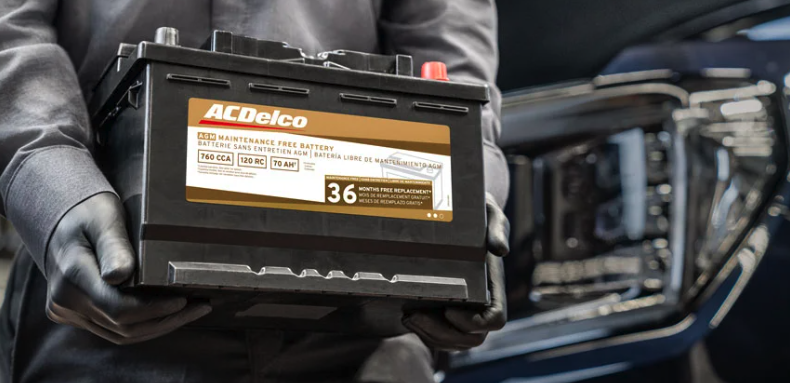
You turn your key in the ignition, feel the starter motor engage, and hear the engine settle into its familiar hum. It’s a moment we often take for granted, but it’s all thanks to the battery. The number one job of your car battery is to supply the specific electrical power required to start your engine and get you on the road.
But how exactly do these units work to generate that spark? When is the right time to consider a replacement, and how do you determine which battery is the perfect match for your vehicle? In this guide, we’ll dive deep into everything you need to know, from the science behind battery operation to navigating the different types available today.
How Do Car Batteries Work?
Like all batteries, car batteries function by converting stored chemical energy into usable electricity. Most gas-powered vehicles rely on lead-acid batteries to create this vital chemical reaction. Unlike the standard alkaline batteries you might use in a household remote, lead-acid car batteries generate current through the exchange of ions between lead and lead dioxide plates submerged in an electrolyte solution of sulfuric acid and water.
Inside the battery case, you will typically find six individual cells. Each cell houses its own set of lead (negative electrode) and lead dioxide (positive electrode) plates. When the battery is in use, the acid solution reacts with these plates to exchange electrons. These electrons travel from the negative battery post through the vehicle’s wiring to the positive post, creating the electrical current needed to kickstart your engine and power accessories like your headlights, radio, and windows.
The most ingenious part of this design is that the reaction is reversible. Once the engine is running, the alternator reverses the chemical flow, allowing the battery to recharge while you drive. Since each of the six cells produces about two volts, most car batteries are rated as 12-volt units.
How Long Do Car Batteries Last?
On average, car batteries have a lifespan of three to five years, but “health” is about much more than just the date on the sticker. Several external factors can significantly shorten this window:
- Harsh Climates: Extreme heat can accelerate internal chemical breakdown, while extreme cold makes it harder for the engine to turn over.
- Driving Habits: Frequent short trips prevent the alternator from fully recharging the battery.
- Parasitic Draws: Leaving lights on or having a faulty electrical component can drain the battery while the car is off.
If you aren’t sure how old your battery is, you can usually find a manufacturing date sticker on the top or side of the case. Once a battery passes the three-year mark, it is highly recommended to have it professionally tested annually to avoid being stranded.
Understanding the Different Car Battery Types
The specific type of battery in your vehicle has a major impact on performance, longevity, and reliability. There are three primary categories used in modern automotive applications:
1. Lead-Acid Batteries
These are the most common automotive batteries and come in flooded (liquid-filled) or sealed (leak-proof) varieties.
- Lifespan: 3-5 years.
- Best For: Budget-conscious drivers who drive daily and have standard power requirements.
- Maintenance: Flooded versions may require occasionally topping up the electrolyte solution with distilled water to prevent corrosion.
2. Absorbent Glass Mat (AGM) Batteries
AGM batteries use fiberglass mats to absorb the electrolyte solution, making them virtually spill-proof and maintenance-free.
- Lifespan: 3-7 years.
- Best For: Modern vehicles with start-stop systems, high-tech infotainment displays, or drivers in extreme climates.
- Benefits: They offer better resistance to vibration, faster recharging times, and more reliable starts in frigid weather.
3. Lithium-Ion Batteries
Most commonly found in hybrid and electric vehicles (EVs), these batteries are much larger versions of the tech found in your laptop.
- Lifespan: 8-10+ years.
- Best For: Hybrid and electric vehicles.
Benefits: They are lighter, have a higher energy density, and require zero maintenance compared to lead-acid counterparts.
How to Choose the Right Battery for Your Vehicle
Choosing the best battery comes down to understanding the technical specifications of your specific make and model. Always consult your owner’s manual for these three key specs:
- Group Size: The physical dimensions and terminal locations required for the battery to fit in your engine bay.
- Cold Cranking Amps (CCA): A measure of the battery’s ability to start the engine in extreme cold (0ºF). This is vital for Kansas City winters.
- Reserve Capacity: How long the battery can provide consistent voltage before it is fully discharged.
Common Symptoms of a Bad Car Battery
Don’t wait until you’re stuck in your driveway to check your battery. Watch for these red flags:
- Sluggish Crank: The engine groans or turns over very slowly when you try to start it.
- Dimming Lights: Your headlights or interior screens appear dull or flicker when the engine is off.
- The “Clicking” Sound: A rapid clicking noise when turning the key is a classic sign of low voltage.
- Physical Damage: A bloated battery case or visible white corrosion around the terminals.
Get a Quick Battery Health Check Today
Don’t wait until you’re stranded and searching for a jump-start to find out your battery is failing. Visit Cable Dahmer Chevrolet of Kansas City today for a battery test. Our experts can determine your battery’s remaining life in just minutes, providing you with the reliable performance you need to keep your family safe and on the road.
Connect with us


- June 2026
- April 2026
- March 2026
- February 2026
- January 2026
- December 2025
- November 2025
- October 2025
- July 2025
- May 2025
- March 2025
- February 2025
- January 2025
- December 2024
- November 2024
- October 2024
- August 2024
- July 2024
- June 2024
- May 2024
- April 2024
- March 2024
- February 2024
- December 2023
- September 2023
- October 2022
- April 2022
- January 2022
- November 2021
- October 2021
- August 2021
- February 2021